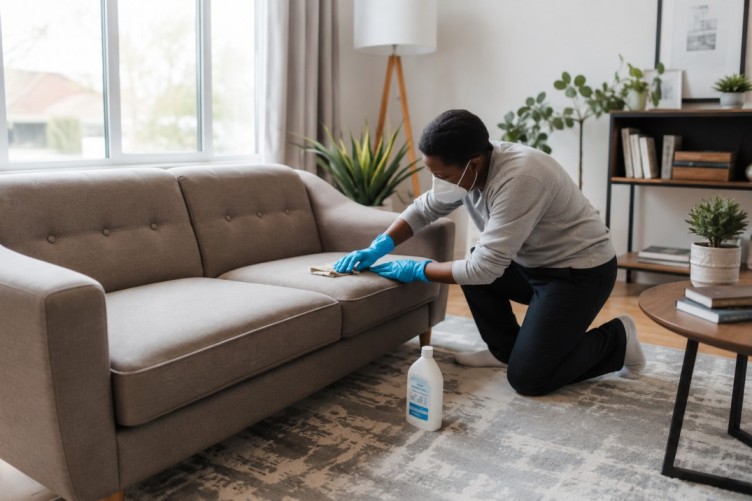
Furniture is one of the biggest investments people make when setting up a home, but very few people talk about how to maintain it properly after buying it.
A sofa may look beautiful when it arrives, but without proper care, fabric fades, wood weakens, metal loses finish, and surfaces begin to wear faster than expected.
In Nigerian homes especially, heat, humidity, dust, generator fumes, and heavy daily use all affect how furniture ages over time.
The good news is that proper maintenance is usually simple. Small habits done consistently make the biggest difference.
This guide covers the basics of furniture maintenance and how to care for different furniture materials properly.
Why Furniture Maintenance Matters
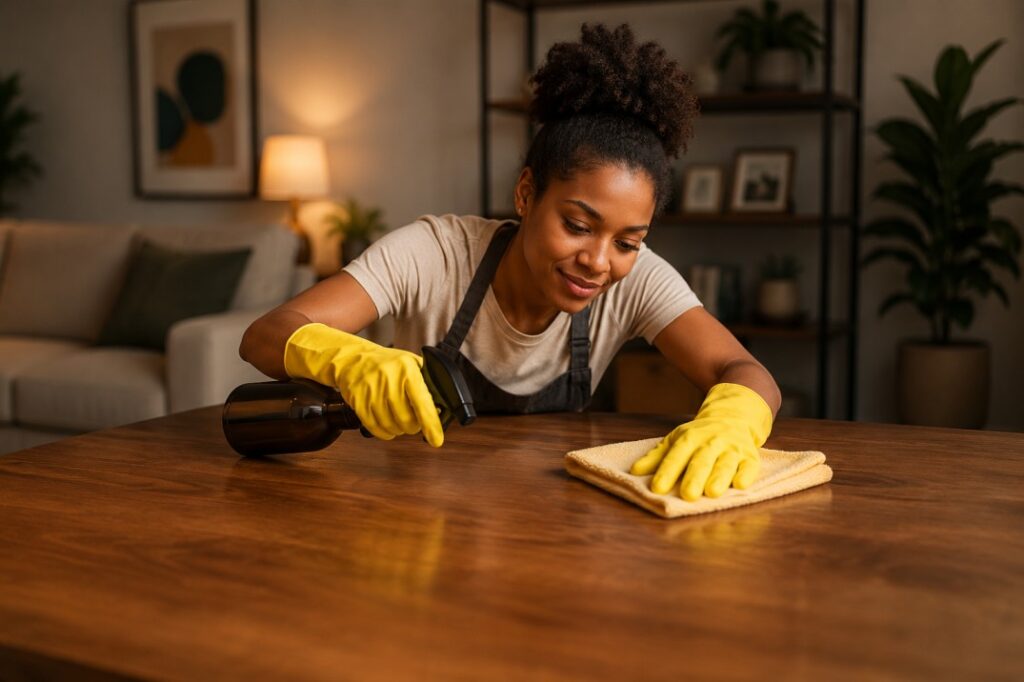
Good maintenance helps furniture:
- Last longer
- Keep its appearance
- Stay structurally strong
- Reduce wear and fading
- Maintain comfort over time
Proper care also helps avoid unnecessary repairs or early replacements.
Wood Furniture Maintenance
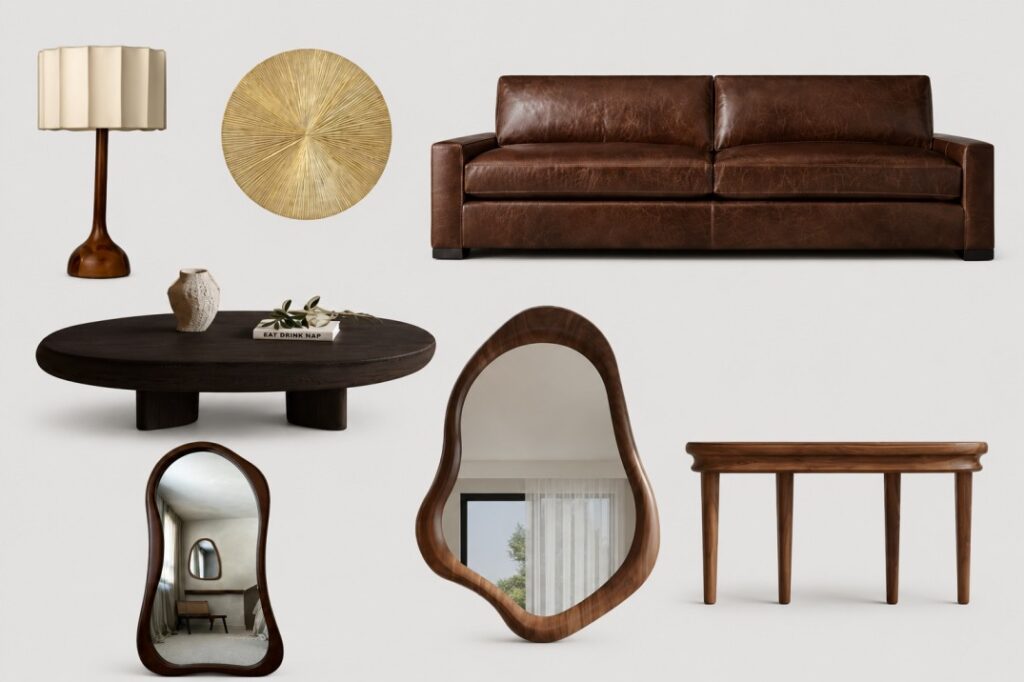
Wood remains one of the most popular furniture materials because of its warmth, durability, and timeless appearance.
But wood is also sensitive to:
- moisture
- heat
- scratches
- direct sunlight
Common Mistakes
- Leaving spills too long
- Using excessive water during cleaning
- Placing furniture under harsh sunlight
- Using rough scrubbing materials
How to Maintain Wood Furniture
- Dust regularly with a soft cloth
- Clean with slightly damp—not wet—cloths
- Wipe spills immediately
- Avoid prolonged moisture exposure
- Use coasters and protective pads when possible
Excess moisture is one of the fastest ways to damage wooden furniture.
Metal Furniture Maintenance
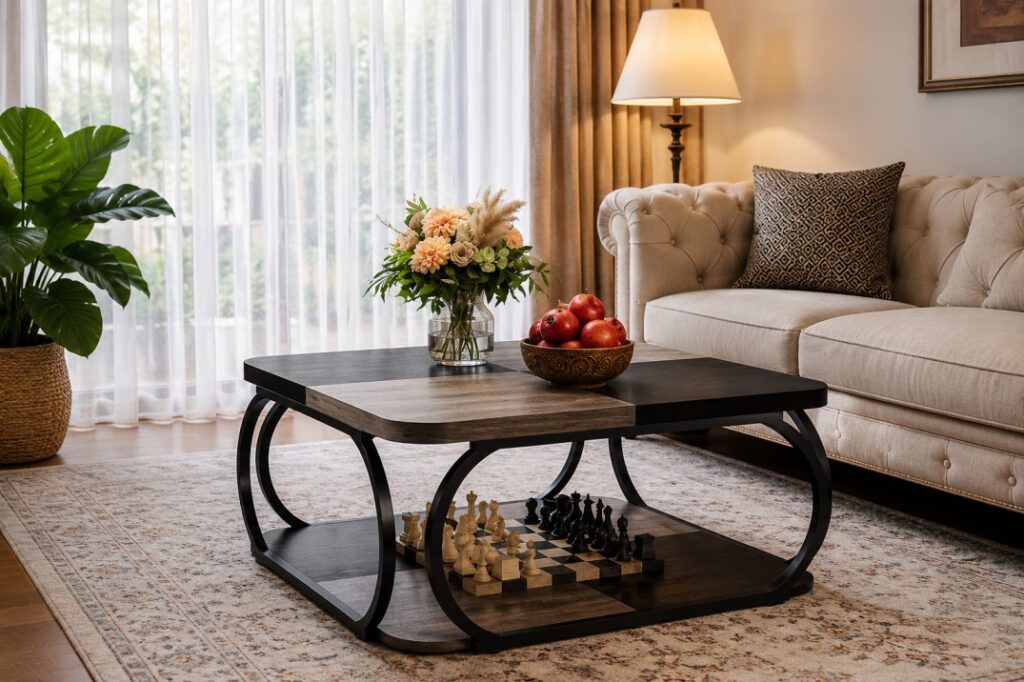
Metal furniture is popular in modern and minimalist interiors because it’s strong, sleek, and relatively low maintenance.
However, metal can still be affected by:
- rust
- scratches
- moisture
- poor coating protection
Common Mistakes
- Leaving furniture wet for long periods
- Using harsh abrasive cleaners
- Ignoring small rust spots early
How to Maintain Metal Furniture
- Dust and wipe regularly
- Keep surfaces dry
- Clean gently with mild soap solutions
- Address rust spots early before they spread
- Avoid dragging furniture across rough floors
Indoor metal furniture generally lasts longer when kept away from excessive humidity.
Upholstered Furniture Maintenance
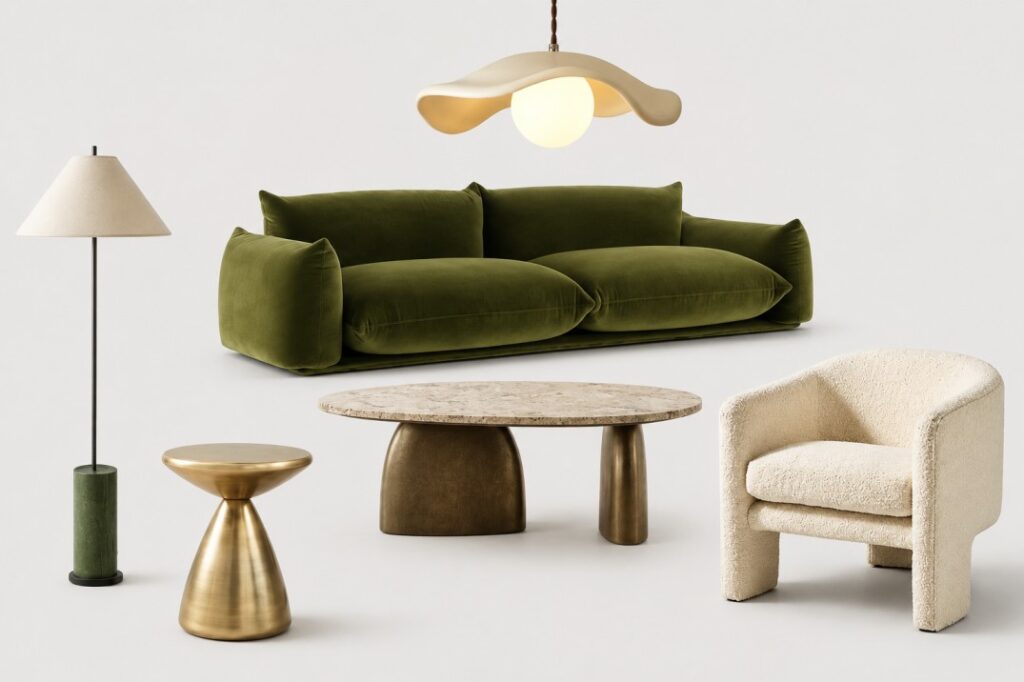
This includes:
- fabric sofas
- cushioned chairs
- velvet furniture
- padded headboards
These pieces deal with the most daily contact and wear.
Common Problems
- Dust buildup
- Fabric fading
- Stains
- Cushion flattening
- Odor retention
How to Maintain Upholstered Furniture
- Vacuum regularly if possible
- Clean spills immediately
- Rotate cushions occasionally
- Avoid prolonged direct sunlight
- Avoid soaking fabrics during cleaning
Fabric Awareness
Different fabrics need different care:
Velvet
Requires gentler brushing and cleaning.
Leather
Needs conditioning and moisture control.
Cotton/Fabric Upholstery
Collects dust faster and benefits from regular vacuuming.
Strong cleaning chemicals can damage upholstery faster than everyday use.
Plastic Furniture Maintenance
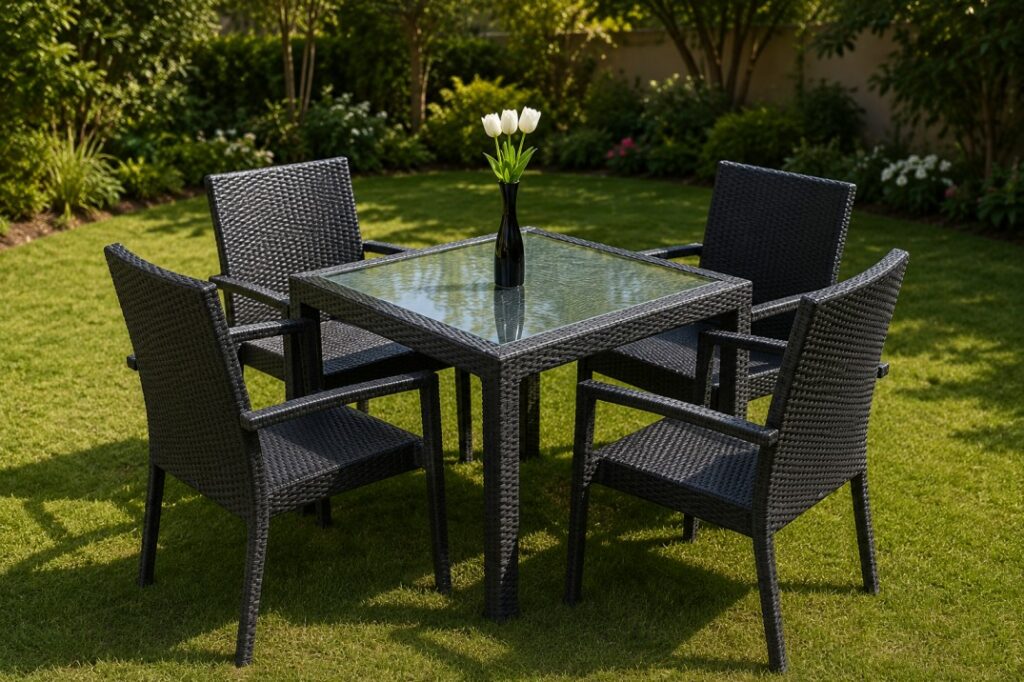
Plastic furniture is lightweight, affordable, and easy to maintain, which makes it common in many homes.
However, poor care can lead to:
- discoloration
- cracking
- fading
- weakened structure
How to Maintain Plastic Furniture
- Clean with mild soap and water
- Avoid excessive heat exposure
- Keep away from prolonged direct sunlight when possible
- Avoid rough scrubbing tools
Cheap plastic furniture tends to become brittle faster under harsh sunlight.
Glass and Ceramic Furniture Care
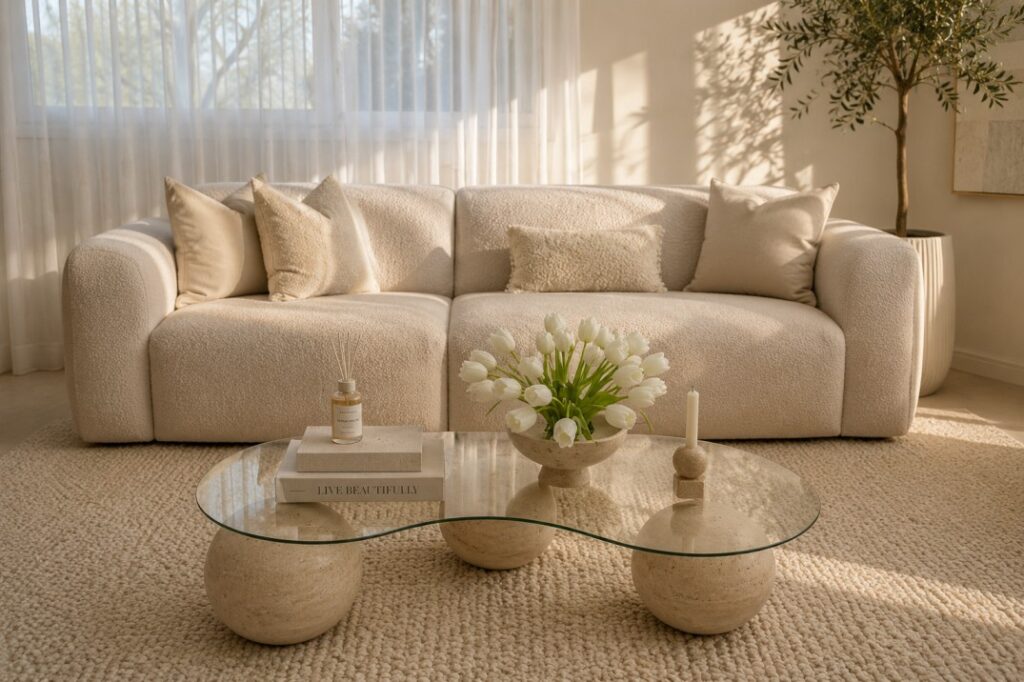
Glass and ceramic surfaces add elegance but require careful handling.
Common Issues
- Scratches
- Chipping
- Water stains
- Surface cracks
How to Maintain Them
- Use soft cleaning cloths
- Avoid dropping heavy objects
- Clean spills quickly
- Avoid abrasive materials
Small scratches often become more visible over time if surfaces are cleaned aggressively.
Furniture Placement Matters Too
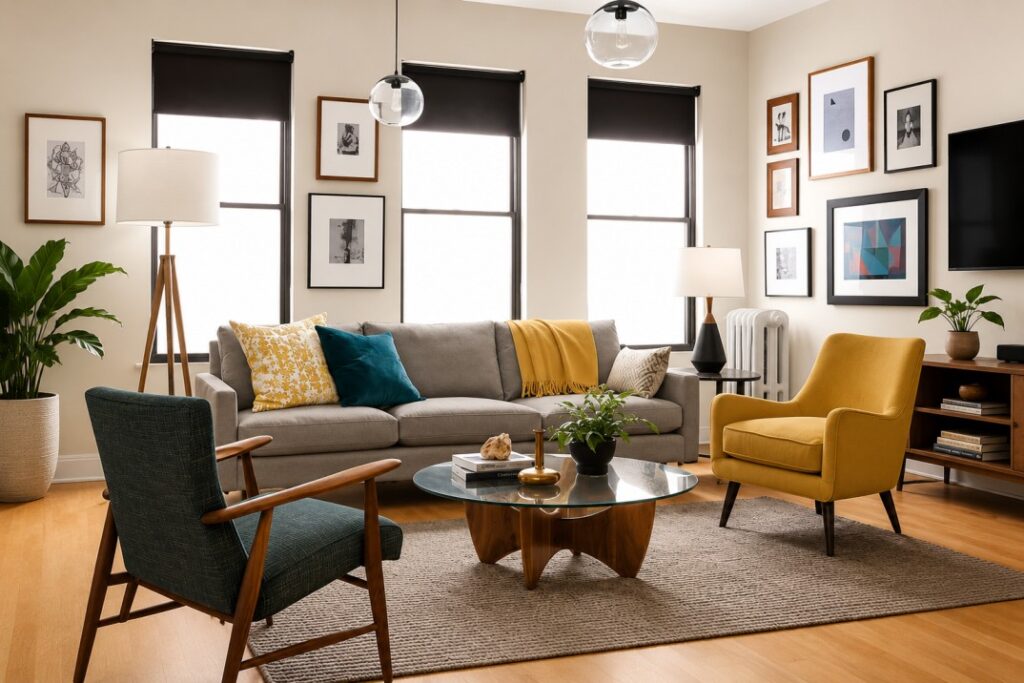
Sometimes furniture damage comes from where it’s placed, not how it’s cleaned.
Avoid:
- Direct sunlight for long periods
- Poor ventilation
- Excess humidity
- Overcrowded layouts
- Constant friction against walls
Good placement helps preserve:
- color
- structure
- comfort
- finish quality
Cleaning Products Matter
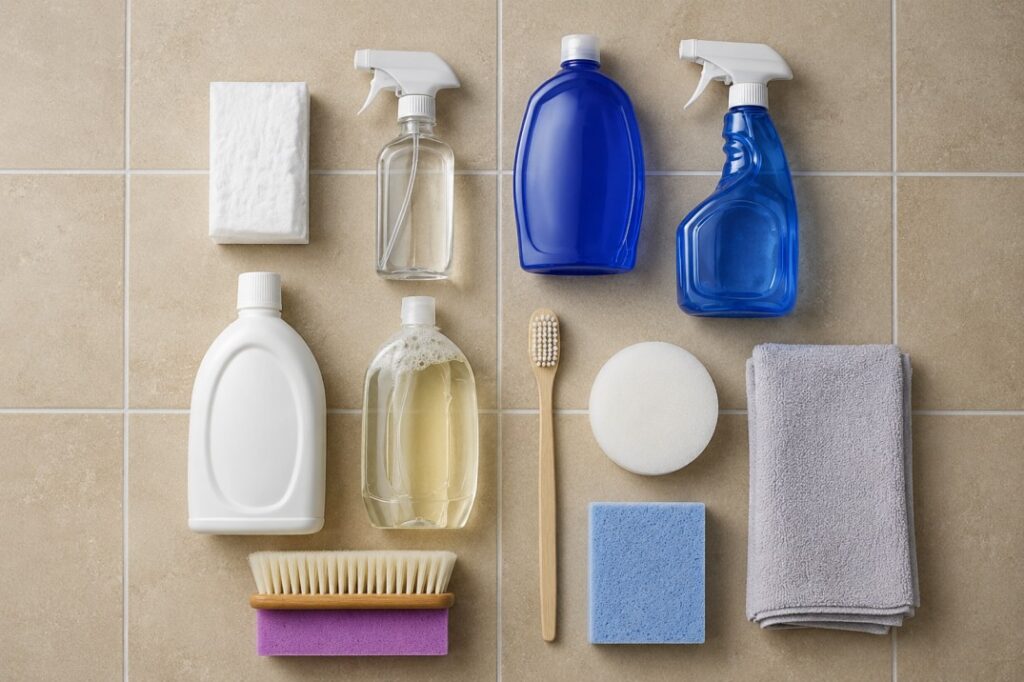
Not every cleaner works for every material.
Using the wrong products can cause:
- fading
- peeling
- discoloration
- dryness
- corrosion
As a general rule:
- use mild cleaning products
- avoid overly harsh chemicals
- test unfamiliar products on small areas first
Small Habits That Make Furniture Last Longer
Simple habits often matter the most:
- Dust regularly
- Clean spills immediately
- Avoid dragging furniture
- Reduce moisture exposure
- Rotate cushions and usage patterns
- Keep furniture ventilated
Maintenance is usually easier than repairs.
Furniture maintenance is less about perfection and more about consistency
Most furniture naturally ages over time, but proper care helps it age better, last longer, and continue looking comfortable and functional for years.
Because good spaces are not just designed well.
They’re maintained well too.
If you’d like to explore furniture and home essentials, you can browse here:
https://mydecortrade.com/shop
Leave a Reply